What was lost
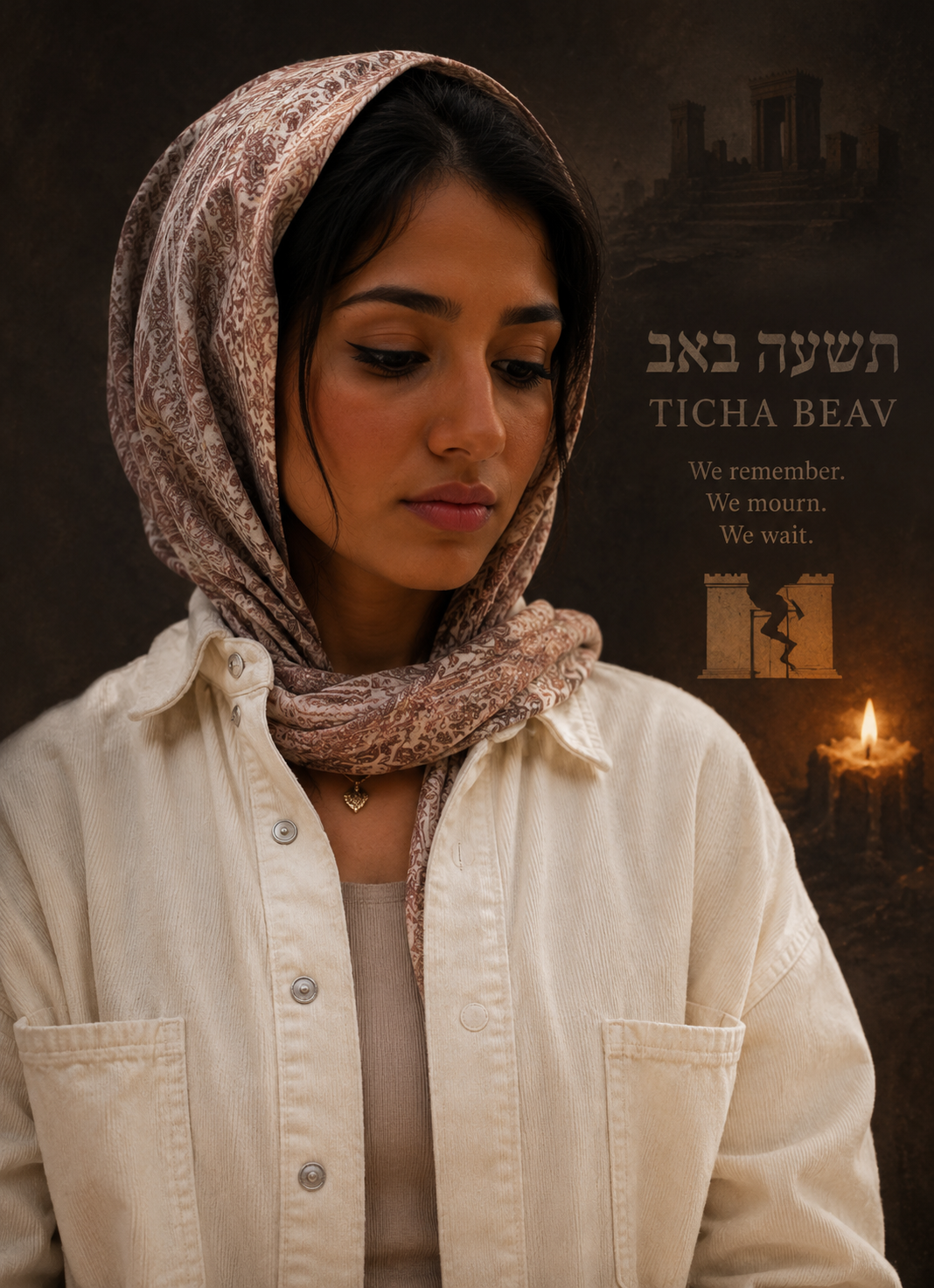
Tisha B’Av is the most solemn day on the Jewish calendar. It calls us to mourn the destruction of the First and Second Temples in Jerusalem, along with the tragedies, expulsions and persecutions that have marked Jewish history.
But Tisha B’Av is not only about what was destroyed. It is also about what the Jewish people refused to let disappear.
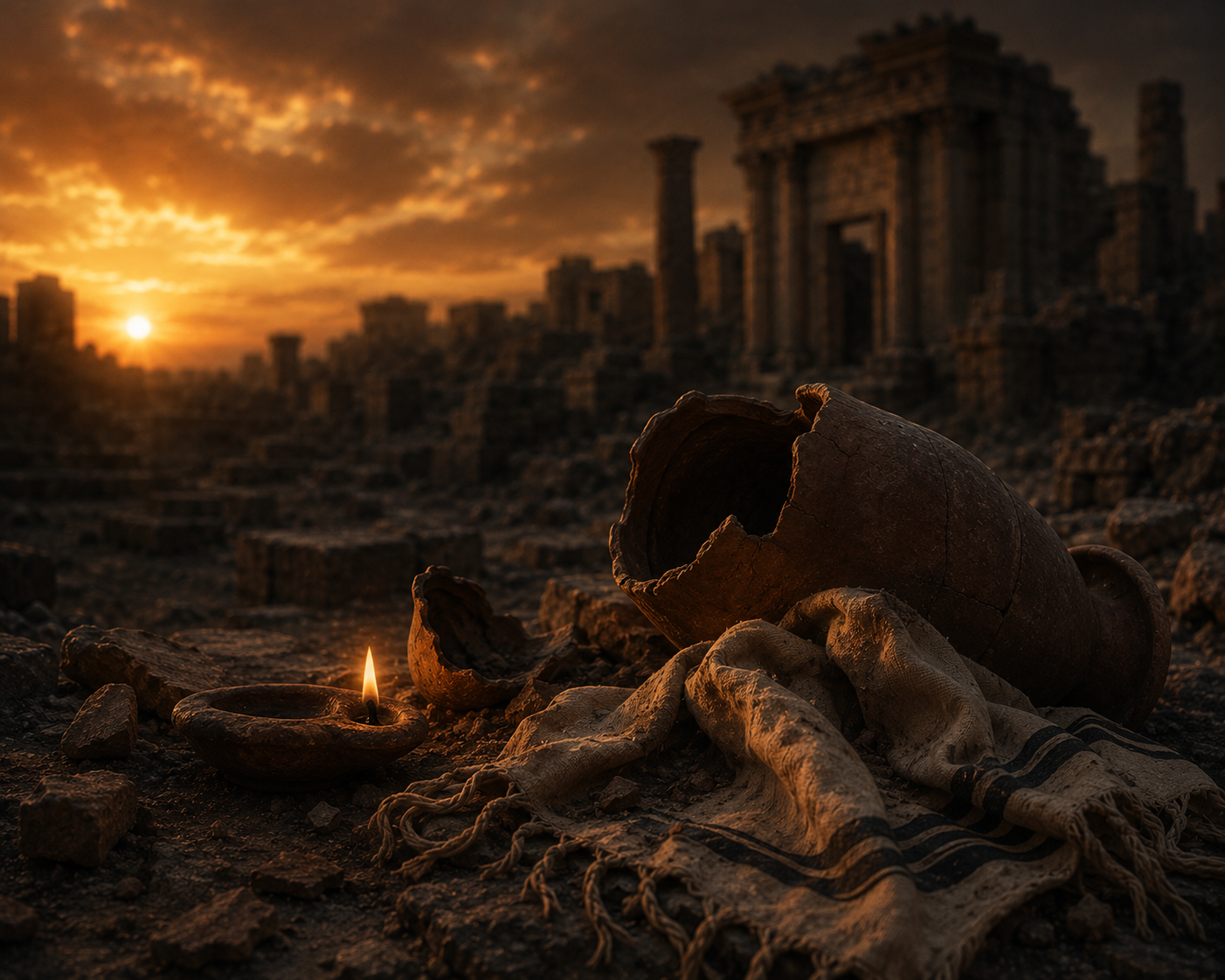
The destruction of the Temples was more than the loss of sacred buildings. It represented the shattering of the spiritual and national center of Judean life. Jerusalem was the heart of a people, and the Temple was a place of prayer, gathering, memory and collective purpose.
After its destruction, our ancestors faced an unimaginable question: How could Jewish life continue after displacement from its center? Their answer became one of history’s most powerful stories of cultural survival.
We remember not only what was destroyed, but what our people refused to surrender.
Carrying Judea across the world
Across centuries and continents, Jewish communities carried Judea with them. They faced Jerusalem in prayer. They preserved Hebrew in sacred texts, poetry, learning and communal life. They remembered the destruction during weddings, prayed for return during Passover and organized time around a calendar rooted in the land and history of the Jewish people.
Diaspora shaped Jewish culture in profound ways. Communities in North Africa, the Middle East, Europe, Asia and elsewhere developed distinct languages, melodies, foods, customs and traditions. These experiences enriched Jewish civilization, but they did not erase where Jewish peoplehood began.
Tisha B’Av reminds us that diaspora is part of our journey, not the beginning of our story.
Mourning as an act of resistance
Empires often expect displaced peoples to forget. They rename places, suppress languages, dismantle institutions and separate communities from their histories.
Jewish mourning resisted that erasure. Every generation that remembered Jerusalem rejected the idea that conquest could rewrite Jewish origins. Every fast, prayer and lament carried the story forward. Mourning became a way of protecting collective memory until another generation could inherit it.
That memory was never passive. It preserved identity, belonging and direction.
The survival of the Jewish people was not inevitable. It was sustained through deliberate acts of transmission. Parents taught children. Communities preserved texts. Women carried traditions through songs, food, dress, ritual and storytelling. Teachers protected language and learning. Families rebuilt Jewish life wherever history carried them.
Memory survived because our ancestors practiced it.
From memory to responsibility
A decolonized Jewish identity does not remain trapped in loss. It studies the rupture honestly, honors those who preserved our inheritance and asks what we will build with it now.
We have inherited more than memories of destruction. We have inherited Hebrew, Torah, traditions, ethical responsibilities, diverse diaspora cultures and an enduring connection to Jerusalem and Judea.
Reclamation means engaging with that inheritance deliberately. It means learning Jewish history through Jewish voices, refusing definitions imposed by antisemites, recovering traditions that were neglected or suppressed and strengthening the bonds of Jewish peoplehood.
It also means recognizing that remembrance carries responsibility. Our history should deepen our opposition to hatred, dehumanization and the erasure of any people. Jewish belonging does not require Palestinian invisibility, and Palestinian dignity does not require the denial of Jewish history. A confident identity can tell the truth about Jewish connection while respecting the humanity and attachment of others.
What will we carry forward?
Tisha B’Av asks us to sit with grief, but the Jewish calendar does not leave us there. Mourning is followed by comfort, reflection, return and renewal.
The Jewish people survived because our ancestors understood that memory must be carried forward. Our responsibility is not simply to preserve what they gave us, but to use it with purpose.
We remember the Temples because Jerusalem mattered. We mourn displacement because Judean life mattered. We honor the diaspora because every community that carried the Jewish story helped ensure that we remained a people.
We inherited the memory. We must decide what we will build from it.
May Tisha B’Av inspire us to remember with honesty, reconnect with our roots, strengthen our peoplehood and transform inherited memory into collective action. Wishing all those observing a meaningful and easy fast.